
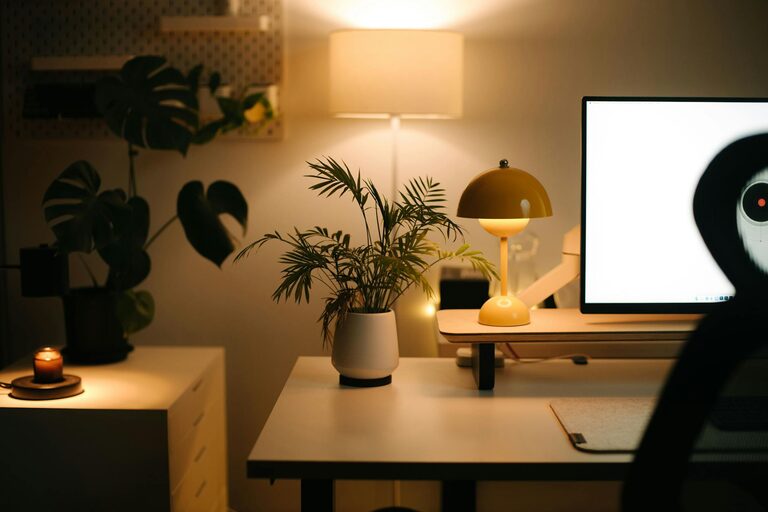
Creating a relaxing home office environment is essential for anyone working remotely or spending significant time at their desk. A well-designed workspace not only enhances productivity but also helps reduce stress and maintain a healthy work-life balance. In this post, we’ll explore practical tips to transform your home office into a soothing and functional space.
Choose the Right Location
Your home office’s location can significantly impact your mood and work efficiency. Ideally, pick a quiet corner or a separate room where distractions are minimal.
– Natural light: Select a spot near a window to take advantage of daylight. Natural light boosts mood and energy levels.
– Away from noise: Try to avoid high-traffic areas or noisy zones like living rooms or kitchens.
– Enough space: Make sure there’s enough room for your desk, chair, and storage solutions without feeling cramped.
Invest in Comfortable and Supportive Furniture
Comfort is key to maintaining focus during long hours of work. Ergonomic furniture can prevent physical strain and make your workspace more inviting.
– Ergonomic chair: Look for adjustable chairs that support your lower back and allow your feet to rest flat on the floor.
– Desk height: Ensure your desk is at a proper height so your arms can rest comfortably while typing or writing.
– Standing desks: Consider a desk that allows you to alternate between sitting and standing, which promotes better posture and circulation.
Optimize Lighting for Comfort and Productivity
Proper lighting reduces eye strain and creates a pleasant atmosphere.
– Layer your lighting: Combine natural light with ambient lighting from overhead fixtures and task lighting from desk lamps.
– Adjustable lamps: Use lamps with adjustable brightness and direction to focus light where it’s needed.
– Avoid glare: Position screens and lights to minimize glare on your computer monitor.
Personalize Your Workspace
Adding personal touches can make your office feel more relaxing and motivate you daily.
– Plants: Indoor plants improve air quality and add a calming touch to your workspace.
– Photos and artwork: Decorate with images or art pieces that inspire you or bring joy.
– Color scheme: Choose colors that promote calmness, such as soft blues, greens, or neutrals.
Declutter and Organize
A tidy workspace helps clear your mind and reduces distractions.
– Regular cleaning: Dedicate a few minutes each day to organize papers and remove unnecessary items.
– Storage solutions: Use shelves, drawers, and desk organizers to keep essentials within reach but out of the way.
– Digital organization: Keep your computer desktop and files organized to enhance efficiency.
Control Room Temperature and Air Quality
Comfortable room temperature and fresh air contribute to mental clarity and comfort.
– Temperature: Keep the room at a comfortable temperature, typically between 68–72°F (20–22°C).
– Ventilation: Open windows periodically or use an air purifier to maintain fresh air.
– Humidity: Use a humidifier or dehumidifier to maintain comfortable humidity levels, preventing dryness or stuffiness.
Minimize Noise and Distractions
Reducing noise can help you stay focused and reduce stress during work.
– Noise-canceling headphones: Invest in headphones if you need to block out background noise.
– Soft sounds: Consider playing calm background music or nature sounds to mask distracting noises.
– Set boundaries: Communicate your work schedule with household members to minimize interruptions.
Incorporate Relaxation Elements
Adding elements that encourage occasional breaks can enhance your overall work experience.
– Comfort corner: Set up a nearby spot with a cozy chair or cushion for short breaks.
– Aromatherapy: Use essential oils or scented candles with calming scents like lavender or eucalyptus.
– Mindfulness tools: Keep a small journal, stress ball, or guided meditation apps handy for quick relaxation moments.
Maintain a Routine and Set Boundaries
Even with the perfect environment, maintaining a work routine helps balance productivity and relaxation.
– Set work hours: Define when your workday starts and ends to avoid overworking.
– Breaks: Take short, regular breaks to stretch, hydrate, and reset your mind.
– Workspace use: Use your home office only for work to mentally separate work from leisure time.
—
Creating a relaxing home office environment is all about striking a balance between functionality, comfort, and personalization. By applying these tips, you can build a workspace that supports your well-being and productivity, making each workday more enjoyable.